Exercise and Bone Health: What Does the Research Say?
When it comes to maintaining strong bones, the evidence continues to point in one direction: exercise!
Before delving into the research, let us first define what osteoporosis and osteopenia actually is, as these diseases of the bone are the most pertinent to this information and very common within our community.
Osteoporosis is when our bones become porous and the integrity of the bone’s structure is compromised. This decrease in bone density increases the risk of fractures, but otherwise causes very little other symptoms. Osteopenia is another term that is thrown around, and this is where the bone is showing early signs of weakening but has not progressed to osteoporosis. A person will have osteopenia before it progresses to osteoporosis.
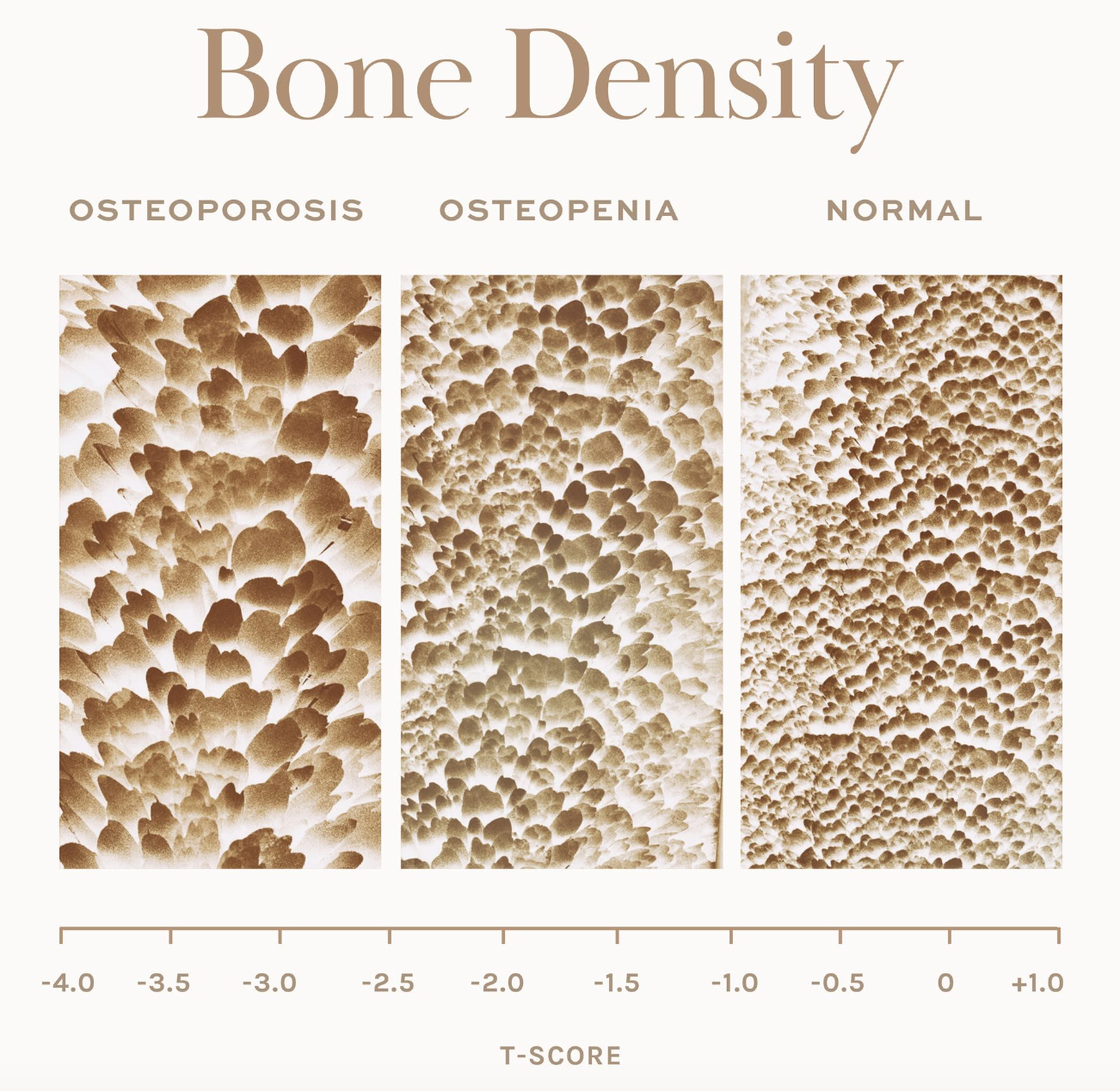
Recent research has again confirmed that regular exercise can improve bone mineral density, particularly in the lower back and hips—the areas most vulnerable to osteoporotic fractures. It was also found that exercise stimulates the body's natural bone-building processes, increasing markers associated with bone formation.
One of the most influential studies in this area is the Australian LIFTMOR Trial (Lifting Intervention For Training Muscle and Osteoporosis Rehabilitation). Researchers investigated whether high-intensity resistance training could safely improve bone health in post-menopausal women with osteopenia and osteoporosis. Participants completed just two supervised 30-minute sessions per week for eight months, performing exercises such as deadlifts, squats, overhead presses and impact-loading activities. The results showed improvements in bone density, strength, posture and physical function, with no serious injuries or fractures reported during the supervised program.
What Does This Mean?
1. Exercise really does help build stronger bones
Many people think bone loss is an inevitable part of ageing. While some bone loss occurs naturally, this research shows that regular exercise can slow that process and even improve bone density in important areas such as the hips and spine, even if they are already affected by osteoporotic change.
2. It's never too early or late to start
The research demonstrates that benefits to bone mineral density were seen across all ages with resistance training. Building bone mass through resistance training in younger adulthood is important to prevent osteoporosis, but then it becomes even more important to do when we reach our 50s, 60s, 70s and beyond to maintain strong bones.
3. Bones respond to being challenged
Bone is living tissue. Just like muscles get stronger when challenged, bones adapt to loading forces. Activities that place healthy stress on the skeleton encourage the body to build and maintain bone.
4. Not all exercise is equal for bone health
Research consistently shows the greatest benefits come from:
Resistance training (weights, gym-based exercise)
Impact activities (jumping, hopping, jogging where appropriate)
Loaded Weight-bearing exercise (stair climbing, hiking)
Clinical Pilates when combined with strength-based loading
Walking, swimming and cycling are excellent for cardiovascular health but generally provide less stimulus for improving bone density.
5. Consistency matters more than intensity
The studies reviewed typically involved exercise programs lasting several months. Bone adapts slowly, so regular exercise over time is more important than occasional bursts of activity.
Clinical Takeaway
If you're concerned about osteoporosis, osteopenia, or maintaining independence as you age, exercise remains one of the most effective non-drug strategies available. A well-designed exercise program that includes strength training and weight-bearing activities can help improve bone density, reduce fracture risk, and support overall mobility and confidence.
For many people, the goal isn't simply "preventing osteoporosis"—it's maintaining the strength and resilience needed to keep doing the things they enjoy for decades to come.
If you’re reading this and think you may benefit from a tailored exercise session, book in with James today.